





The Incomparable Red Wines of Burgundy
The Burgundy region in eastern France is the ancestral home of Pinot Noir, and its red wines are the most prized in all of wine. Its wines, unlike the mighty chateaus of Bordeaux, are made in tiny quantities by comparison. That's why the world fights over many of them, and why the prices of their top wines continue to skyrocket.

But there is more to red Burgundy than those few elite bottles, and lucky for us, there are still pleasurable wines that most of us can afford to enjoy, maybe not every day, but more often than once a year. A little understanding and context can help with our search, and a little history lesson is a good place to start.
According to The Oxford Companion to Wine, the first mention of Pinot Noir was in the 1370s, and in all probability the grape variety existed in Burgundy some years before that. Two or three centuries earlier, Cistercian monks were not only cultivating wine grapes, but they were comparing and categorizing vineyards by their differentness and their quality, a practice that is still done today with France's vineyard rating system. Thus, the village wines (notated by the name of the nearby village—Gevrey Chambertin, Pommard, etc.), the exceptional hillside Premier Cru vineyards, and the ultimate vineyards, the rarified vines called Grand Cru, are pretty much the same as those staked out by the monks in the Middle Ages.

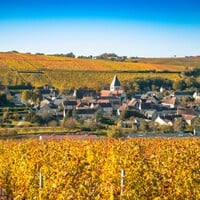
Burgundian monks cultivating vines in the Middle Ages
Why do I bring up these little nuggets of history? In the mind and soul of the Burgundian winemaker, there is an ancient legacy to protect, defend, and to pass on to future generations. While California winemakers seek to make the best Pinot Noir they can make, a Burgundian winemaker seeks to make the finest Volnay and Nuits-Saint-George using Pinot Noir as the vehicle to get there. The wine must ideally possess the taste of the place—terroir—above all else.
It gets even more specific when the Burgundian has a family history with vines of a particular vineyard. In some families, a winemaker grew up drinking the wines of his grandfather and his father from the same plots of vines, and instinctively knows how those wines should smell, taste, feel, age, and perform at various times in the wines' lives. His or her duty, then, is to continue that mission through their stewardship and pass down those traditions to their offspring.
This is a crucial distinction from just about any other wine in the world. To appreciate and fully enjoy the red wines of Burgundy, you must realize these wines are so much more than a quaff to quench your thirst.
I've always approached each glass of red Burgundy wine through my eyes and nose long before I take my first sip. If the nose gives me what I look for, the anticipation of a profound experience will create an excitement few wines can provide (I'll get the same warm fuzzies from the Nebbiolos of Barolo in Italy's Piedmont.) I'm not alone in this. In Hugh Johnson's Story of Wine, he describes a passage from La Situation de la Bourgogne from 1728: "the wines of Burgundy have 'sweet vapors'. They are drunk 'in two ways, through the nose and through the mouth, either at the same time or separately'."
If this all sounds too intimidating to a casual enjoyer of wine, it needn't be. After all, wine's central purpose is to provide pleasure, as Kermit Lynch has often written. All the premier crus and grand crus don't mean a thing if you don't love what's in the glass.
That's why when I'm making my store's selections not for the cellar for some mystical grand meal in the future, but for tonight's roast chicken and ribeye. I'm searching for wines with a bit more immediacy—red Burgundies with more noir-ish character that I'll love smelling and tasting tonight. This may make a traditionalist gasp, but I would counter that the old rules of cellaring are out the window due to climate change, clonal manipulation, and (I'll admit) my own impatience.
Remember, the production of Burgundy is very small; sometimes producers will make less than 100 cases of a given wine. With the whole world fixated on this region, the elite producers command staggering prices, so it has become a real challenge to discover wines that perform like Burgundy ought to, while not putting too much pressure on your kids' college funds.
Bourgogne rouge is always a good place to start for value and for a peak into a particular domaine's winemaking. There are also relative values in red Burgundy from Givry, Santenay, Haut-Cotes de Beaune, Haut Cotes de Nuits, Maranges, Marsannay, Pernand-Vergelesses, Ladoix, and Aloxe Corton.
If you venture into the A-list of villages like Volnay, Pommard, Beaune, Nuits Saint-Georges, Chambolle Musigny, Vosne-Romanée, and Gevrey-Chambertin, the deals get harder and harder to uncover. You'll just have to pay the price, although that price varies wildly depending on the reputation of the vineyard and of the grower.
That said, there are still many surprises yet to discover. I was just introduced to some very fine wines from Joseph Voillot that I had to bring into the store. A few weeks earlier, I was presented with some very pleasing wines discovered by Jeff Wellburn, a colleague we've been working with for over 30 years.
I'm leading a tasting, The Allure of Red Burgundy, on March 27th at 7:30 pm if you'd like to join us to try my favorites.
Here are eight of my favorite new red Burgundy discoveries:
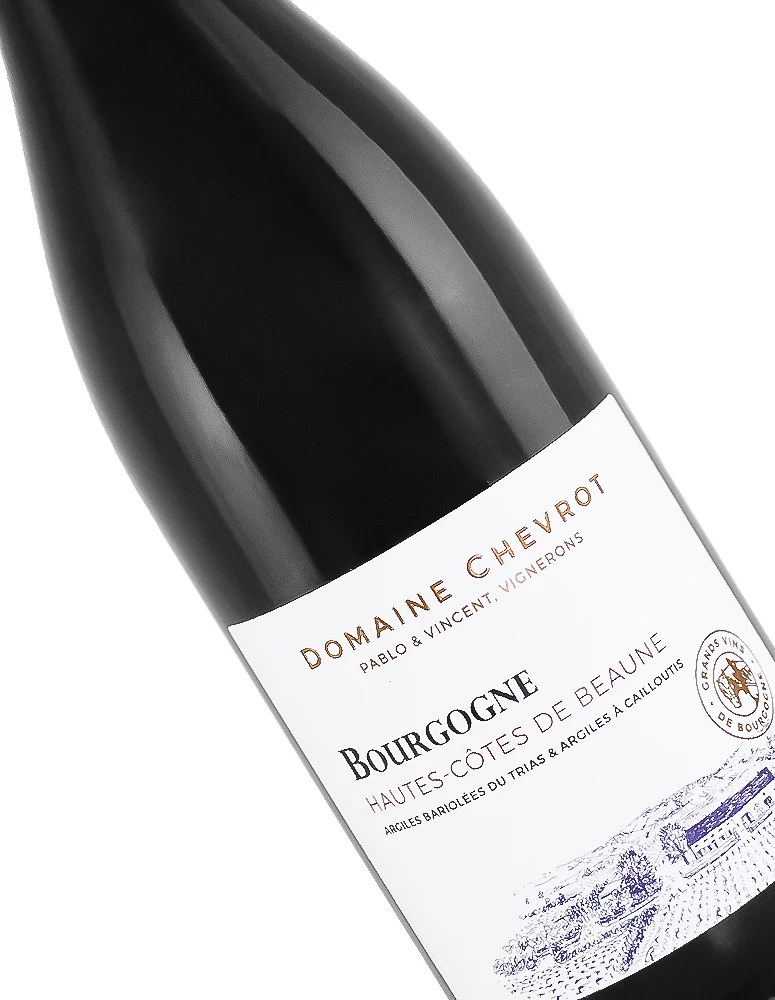
2022 Domaine Chevrot Bourgogne Hautes Cote de Beaune – $34.99
The Chevrot estate is in Maranges, the southernmost appellation in Burgundy's famed Côte d'Or. Here they have produced a serious and accomplished red wine, with a soulful aroma that has a hint of forest floor and satisfying Pinot Noir flavors. The fairly rich texture gives the wine a sense of richness beyond its appellation, followed by some grip in its just-right tannin. Great value here.
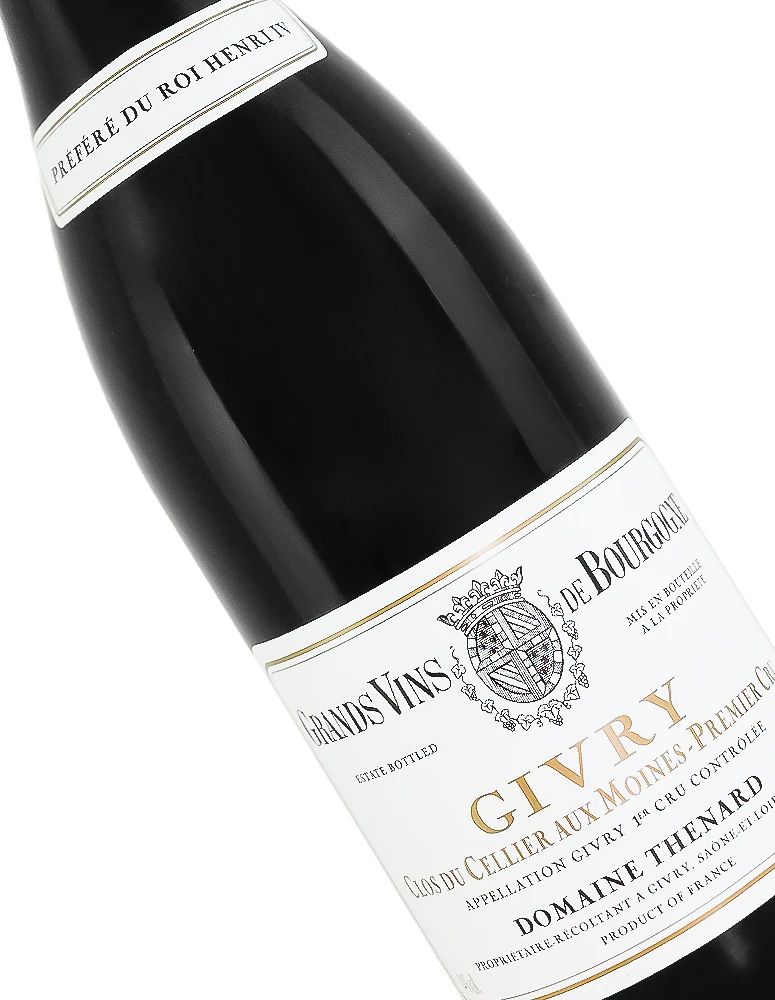
2019 Baron Thenard Givry 1er Cru "Clos du Cellier aux Moine" – $41.99
This is a very old vineyard. In fact, the neck label proudly states "Préféré du Roi Henri IV", preference of King Henri IV", which still must provide a little prestige after 400 years! We fell in love with this wine at first sniff, it's a glorious, fruit-forward aroma that aptly signals what's to come. Loaded with fruit, ample in the mouth, somehow the wine manages to remain fresh, despite its considerable ripeness. Some grip in the finish, tying up the wine nicely. It makes a great introduction to Burgundy.
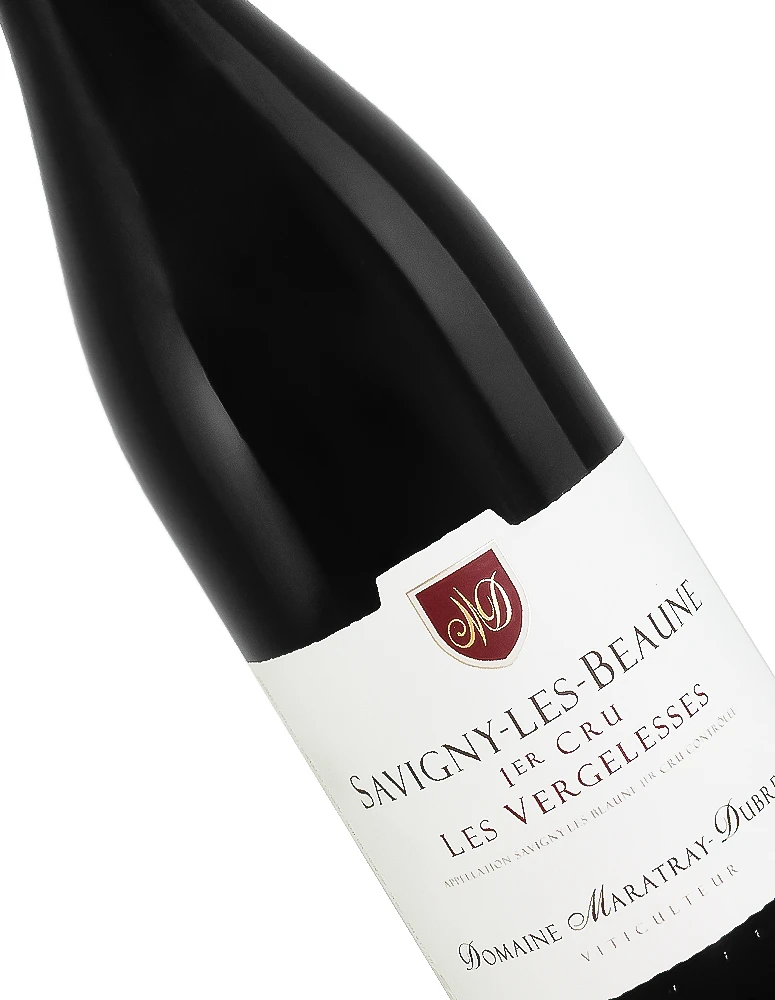
2023 Maratray-Dubreuil Savigny les Beaune 1er Cru Les Vergelesses – $47.99
A rich ruby color gives you the first clue you are on to something special. The forward aroma of this appealing red wine is all black cherry, as is the flavor in the mouth-filling, very generous Burgundy, chock full of primary fruit. I love the wine, and I think many of our customers new to Burgundy will take to it also.
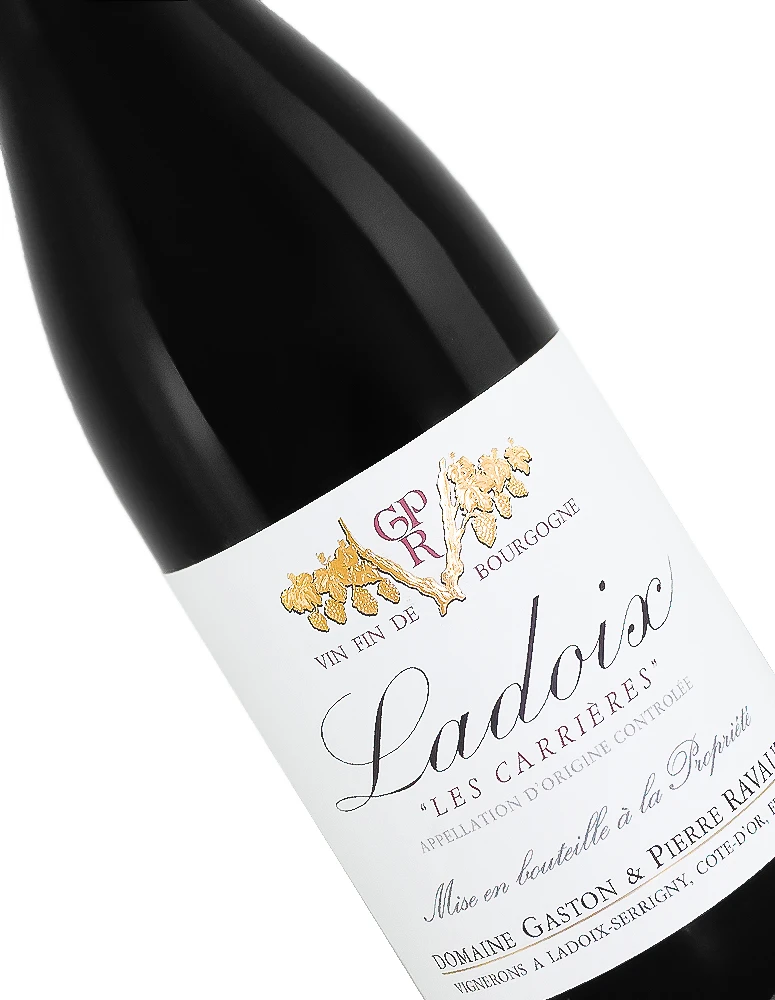
2022 Domaine Gaston & Pierre Ravaut Ladoix "Les Carrieres" – $47.99
Les Carrieres is a lieu-dit, a superior vineyard not rated premier cru. Aged in oak barrels (15% new) for a year before bottling, this elegant wine is simply a joy to drink, and a wonderful discovery for those of us who love traditional Burgundy flavor. I just want to savor this wine all night long!
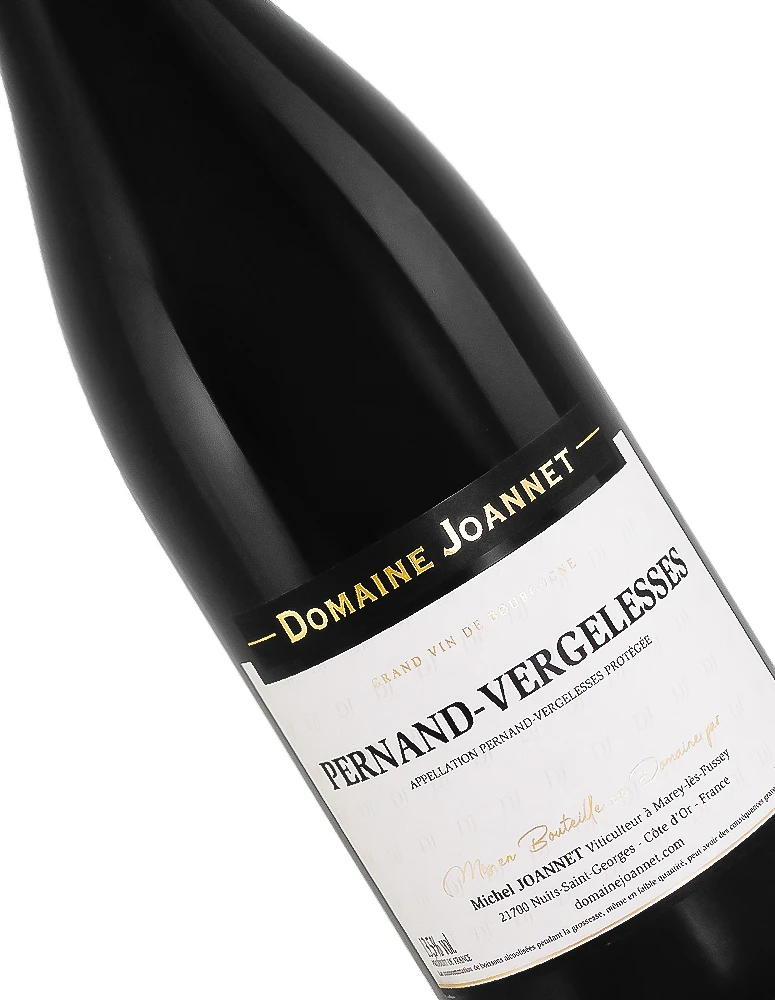
2023 Domaine Michel Joannet Pernand Vergelesses Rouge – $49.99
We instantly fell in love with this gorgeous red Burgundy. Loaded with black cherry aromas and flavors, it has a saline character with some grip in the texture, making it a solid, satisfying wine. Quite impressive.
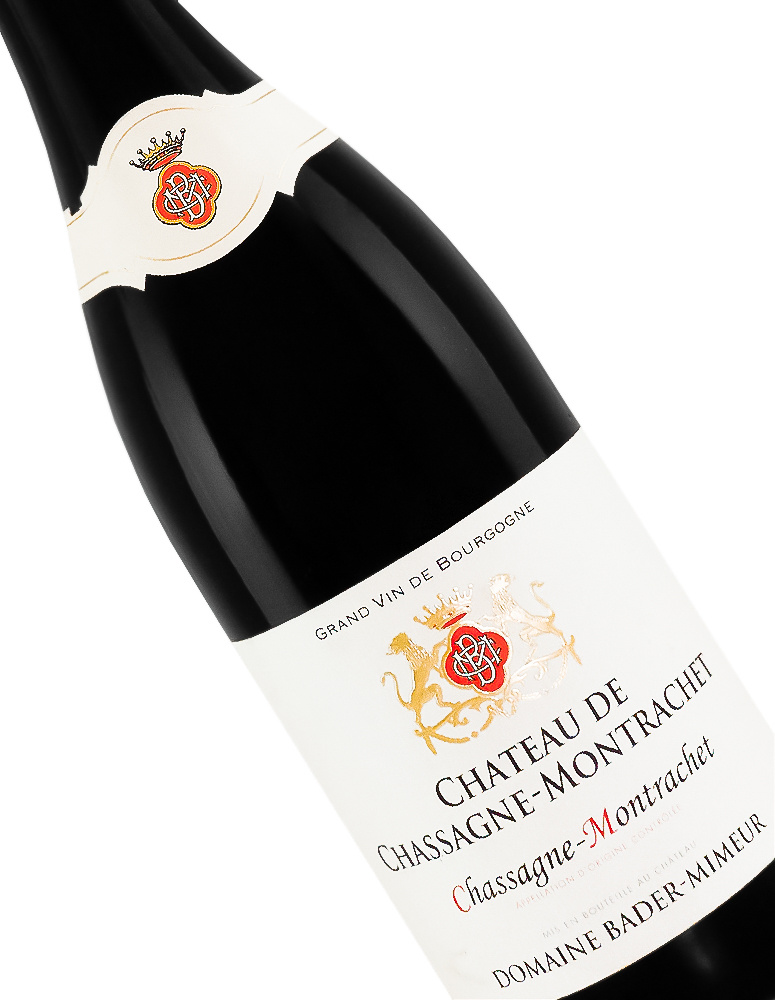
2022 Domaine Bader-Mimeur Chateau de Chassagne-Montrachet Chassagne-Montrachet Rouge – $52.99
We approached this wine with great anticipation, and are we glad we did! More often than not, we find the rare reds of this predominantly white wine region to be charming at a young age, this wine was all of that and more. With pretty aromatics that suggest red and black cherries, it is a medium-bodied wine packed with bright cherry flavors. Juicy and fruity right out of the gate, it is a real joy to drink. Those new to red Burgundy should love this wine.
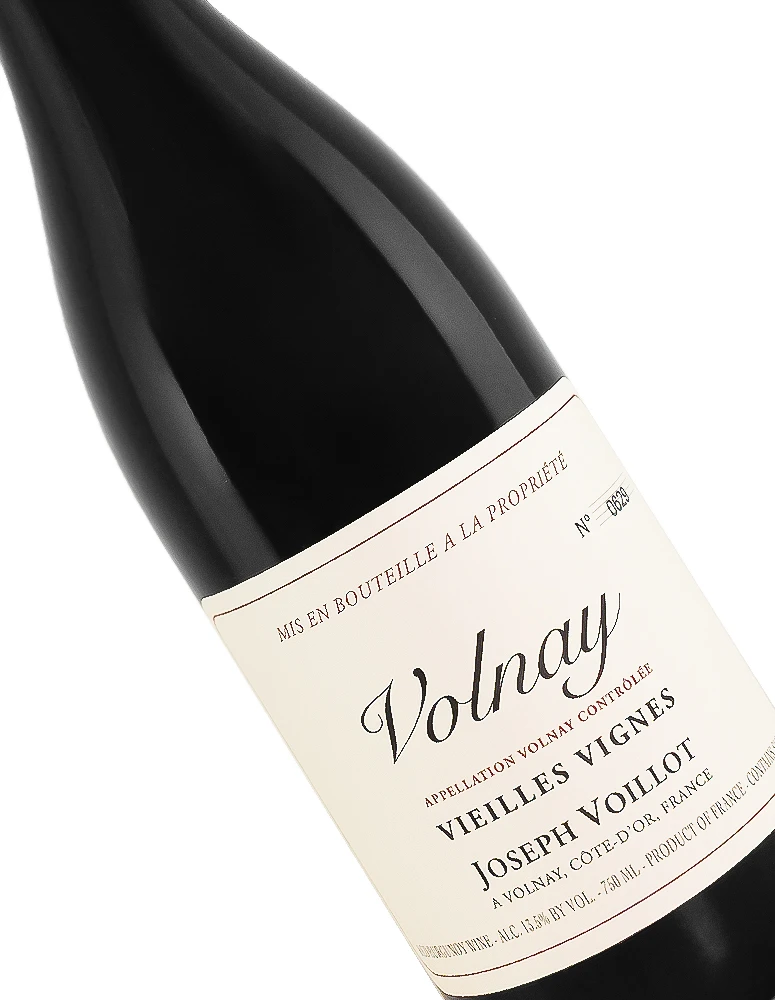
2023 Joseph Voillot Volnay Vieille Vignes – $62.99
The Joseph Voillot domaine, founded in the 18th century, is located in the center of the town of Volnay and its winemaker for the past decade has been Joseph Voillot's grandson, Etienne Chaix. This old vine bottling is a blend of six different plots, the oldest planted in 1930. The appearance is gorgeous, with a translucent ruby color. Ample fruit in the wine, yet it isn't heavy at all. Subtlety is the calling card here, with clean flavors and a very true character.
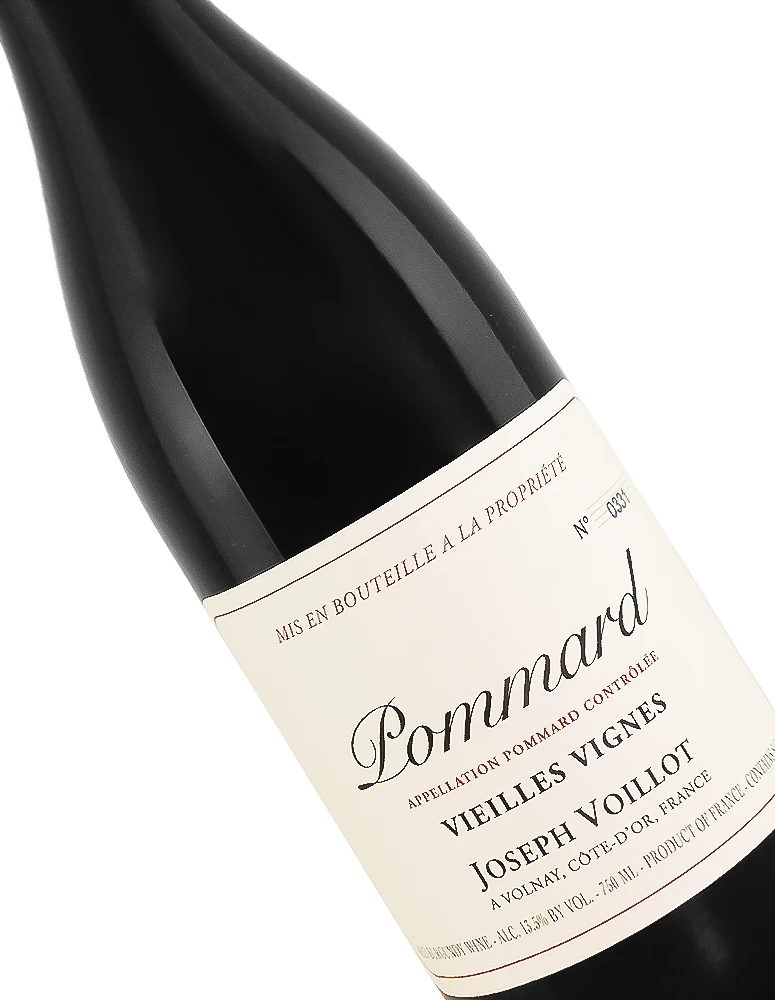
2023 Joseph Voillot Pommard Vieilles Vignes – $66.99
The old vine Pommard comes from four plots, two above the hill from the premier cru sites whose limestone soils bring out a brightness, and two from below in soils with more clay, bringing out more depth. There is a quintessential Burgundian scent with a little spice. In the mouth, the fruit is nearly sweet, with medium weight. There are no oak flavors, staying focused on freshness in a feminine style for Pommard. It's a wine you can drink now, or age up to 5 years. It's a very civilized wine.